What Is A Perceptual Motor Programs Rating: 5,6/10 6008 votes
The ability to sit independently is fundamental for function but delayed in infants with cerebral palsy (CP). Studies of interventions directed specifically toward sitting in infants with CP have not been reported.
The perceptual motor program is a group activity with a ratio of at least one adult per three students. The program, was jointly devised by physiotherapists, occupational and speech pathologists familiar with the particular needs of special needs students.
The purpose of this study was to compare 2 interventions for improving sitting postural control in infants with CP.
For this randomized longitudinal study, infants under 2 years of age and at risk for CP were recruited for intervention directed toward sitting independence.
Setting
The intervention was conducted at home or at an outpatient facility.
Fifteen infants with typical development (mean age at entry=5 months, SD=0.5) were followed longitudinally as a comparison for postural variables. Thirty-five infants with delays in achieving sitting were recruited. Infants with delays were randomly assigned to receive a home program (1 time per week for 8 weeks; mean age=15.5 months, SD=7) or a perceptual-motor intervention (2 times per week for 8 weeks; mean age=14.3 months, SD=3).
Measurements
The primary outcome measure was center-of-pressure (COP) data, from which linear and nonlinear variables were extracted. The Gross Motor Function Measure (GMFM) sitting subsection was the clinical outcome measure.
There was a main effect of time for the GMFM sitting subscale and for 2 of the COP variables. Interaction of group × time factors indicated significant differences between intervention groups on 2 COP measures, in favor of the group with perceptual-motor intervention.
Limitations
The small number of infants limits the ability to generalize the findings.
Although both groups made progress on the GMFM, the COP measures indicated an advantage for the group with perceptual-motor intervention. The COP measures appear sensitive for assessment of infant posture control and quantifying intervention response.
Children with cerebral palsy (CP) have several fundamental limitations that are pervasive among the varying types and severities of this diagnostic group. Although not all-inclusive, the impairments of abnormal movement variability, poor regulation of movement speed, and perceptual deficits related to movement and force production are common to all types of CP.1 Differences in severity, distribution of movement dysfunction, and associated impairments complicate the task of comparing these individuals. In addition to the problem of population heterogeneity, the originating pathology differs among individuals, creating difficulties in early diagnosis.2 A diagnosis of CP often is delayed until the child is older than 2 years of age because early symptoms may be transient and resolve spontaneously.3,4 However, early intervention is thought to be crucial in order to optimize the potential for plasticity of the developing infant's nervous system. Typically, early intervention begins when the child exhibits significant delays in developmental skills or when substantial risk factors for motor impairments are present. The initiation of services often precedes a definitive diagnosis of CP. Because this is the standard of care for early intervention, we investigated intervention for infants with risk factors for, but not yet diagnosed with, CP, as well as those who had a diagnosis of CP.
In this study, we investigated the development of a specific motor task (ie, sitting), and we explored an intervention targeting this task rather than overall development or general motor skills. Sitting postural control was selected as the targeted skill because sitting is the earliest upright posture achieved in development. More importantly, sitting independence offers the possibility of active arm use, greater potential for functional skills and self-care, and opportunities to orient the self to the environment for improved perception, cognitive growth, and social interaction.5–7
Why We Chose to Compare These 2 Intervention Approaches
Infants who experience delays or who have a diagnosed developmental disability are entitled to early intervention through the Individuals With Disabilities Education Act (IDEA), part C.8 Each state regulates part C service provision, but most states operate under a primary provider model.9 In this model, a professional member of the early intervention team, possibly a physical therapist, “coaches” a family in developmental activities or environmental strategies that may be incorporated into a child's daily care routine to promote learning and practice of new skills. As “coaching” is the emphasis, the therapist is less likely to directly treat the infant; instead routine-based activities or play positions that promote increasing levels of developmental skill are taught to infant caregivers. The caregivers then provide the intervention during daily routine care, and the intervention is family centered.
Reviews of early developmental intervention programs to prevent motor and cognitive impairments in infants born preterm highlight the limited evidence for early developmental intervention to support motor development.10,11 These reviews emphasize the diversity of approaches and outcome measures used in early intervention. This diversity thus influences the finding that motor intervention yields no significant improvements in developmental outcome. In addition, none of the studies reviewed by Orton et al10 and Spittle et al11 provided an intervention specifically designed to address postural control. Thus, current evidence supporting early intervention for motor development provided by IDEA part C is limited. However, other research groups have recently reported improvements in postural control following parent education or caregiver-provided interventions.12–14 Similarly, Arndt et al15 reported improvements in postural control following training using a therapist-guided trunk protocol. There also is evidence that changes in sitting postural control influence the development of cognitive skills.16,17 In addition, there is some evidence that common intervention techniques in pediatric physical therapy are effective in improving postural control in children with CP, although the evidence is limited.18,19 No study has compared a clearly defined motor intervention targeting a specific emerging motor skill delivered by a physical therapist versus an intervention delivered by a caregiver following training with a physical therapist. Therefore, we chose to compare a home program intervention, which is the standard of care in early intervention services provided through IDEA guidelines,20 with a medical intervention model described below.
In addition to home-based early intervention services, some infants with motor delays receive intervention through a medical model, with direct, child-focused treatment provided in a clinical facility. Depending on the perspective of the therapist and the specific needs of the child, a variety of techniques, approaches, and theories may be incorporated into such interventions. These approaches may include neurodevelopmental treatment, which is based on the theory originated and taught initially by Bobath21; behavioral shaping22; developmental training23; sensory integration24; or an eclectic approach pulling various techniques from a variety of sources.25
The direct intervention used in this study follows guidance principles described by Tscharnuter,26,27 which we will briefly review here. The cues provided during the intervention guide the infant learner to attend to specific proprioceptive, tactile, and pressure information to accomplish a task rather than relying on the physical assistance or guidance of the therapist. A critical part of the approach requires the initiation of action by the child, with the therapist guiding in small increments and not directing the movement. The guidance hypothesis states that the benefits of physical guidance (or knowledge of results) are strong during immediate performance of a motor task.28 However, the benefits of physical guidance may be temporary, because the learner easily becomes dependent on the guidance. If guidance is reduced, more permanent learning takes place. This permanent learning is thought to be due to the learner solving the motor problem and accessing information without external assistance. Thus, information and the perception of information to guide movement become important in building skill.
Another aspect of the perceptual-motor intervention is touch contact. Touch contact and the importance of informational cues for the perception of orientation also are well established in research examining standing posture in normal adults and adults with balance problems.29 In addition, research in the arena of space travel and artificial gravity highlights the ability of humans to utilize touch cues to adapt to disorienting forces.30 Infants learn to control their bodies through multiple contexts, errors, and strategies from which successful parameters that are specific to the task are selected.31 The adaptation and selection of strategies according to environmental demands (including caregiver touch contact) are supported by the perception/action and ecological theoretical perspectives,32–35 which add to our understanding of postural control in special populations.36
Consequently, the approach used in the perceptual-motor intervention group emphasizes the mutual interaction of perception and action as they develop in parallel. Movement is used in exploratory functions to gather information from the environment, as well as in performatory functions, such as sitting and reaching. Goldfield37 described early accounts of motor development38,39 as “air theories” because children's movements are detailed by describing changes in limb segments with no regard for the support surface in the environment. This air theory is in contrast to “ground theory,” such as that proposed by Gibson,33,34 which describes forces supplied reactively by the environment and how the infant's interaction with the support surface changes movement outcomes.37 The perceptual-motor intervention provided to one group in this investigation focused on noting when infants attend to support surfaces for postural control, closely monitoring their adaptation of motor strategies to achieve the targeted sitting goal, as well as reinforcement of a variety of strategies attempted by the infant. Table 1 summarizes key differences in the characteristics of the interventions provided to the home program group and the perceptual-motor group, and Table 2 depicts examples of each intervention type related to therapy goals, noting differences in how the goal is addressed.
Characteristics of Home Program and Perceptual-Motor Program
Nonlinear Tools for Describing Postural Change
Small changes in postural control are difficult to quantify using standard assessment tools in infancy. Several problems contribute to this difficulty. The first is that infants are unpredictable and unable to follow instructions. This problem is easily rectified by adapting to the infant's schedule and interests and creating a method that measures typical activities of the infant. The second problem is that infant movement is extremely “wiggly” and variable.40 Thus, the measurement tool must account for variability and measure how this variability changes over time as skill develops. In a perspective article on the value of variability, Harbourne and Stergiou41 argued that variability is important and actually necessary for the development of skill. Variability creates the adaptability that allows us to respond to changes in the environment around us and to respond differently depending on the situation. More importantly, it is not just the amount of variability or the number of strategies that are needed. The structure of variability contributes to postural and movement adaptability in ways that allow greater skill to emerge. Nonlinear tools can quantify the structure of variability and give us a view into movement generation that otherwise is unavailable.42–44
The use of nonlinear tools in measurement of postural control has expanded our understanding of the development of postural control in sitting.45 Examinations of standing postural control in adults also have begun to use nonlinear measures to further describe strategies of control.46,47 In both sitting development in infants and adult postural control in standing, linear tools measuring the range, excursion, and standard deviation of the center of pressure (COP) have been considered incomplete in describing postural control.42 However, nonlinear tools can complete this description by providing reliable measures of constructs such as complexity, dynamic stability, and regularity.48 Examination of Figure 1 can assist in understanding the measurement of the COP time series we will be using in this article.
Three children at sitting stage 1 and respective center-of-pressure (COP) tracings in the first row. The first picture shows an infant with typical development, the second picture shows an infant with spastic quadriplegic cerebral palsy (CP), and the third picture shows an infant with athetoid CP. Beneath the COP tracings are examples of the linear and nonlinear measures. RMS (AP)=linear measure of overall postural variability, the standard deviation of the length samples in the anterior-posterior direction; sway path=linear measure of the velocity of the COP; ApEn (AP)=approximate entropy, a measure quantifying the regularity or predictability of the COP in the anterior-posterior direction.
Three children at sitting stage 1 and respective center-of-pressure (COP) tracings in the first row. The first picture shows an infant with typical development, the second picture shows an infant with spastic quadriplegic cerebral palsy (CP), and the third picture shows an infant with athetoid CP. Beneath the COP tracings are examples of the linear and nonlinear measures. RMS (AP)=linear measure of overall postural variability, the standard deviation of the length samples in the anterior-posterior direction; sway path=linear measure of the velocity of the COP; ApEn (AP)=approximate entropy, a measure quantifying the regularity or predictability of the COP in the anterior-posterior direction.
Figure 1 shows COP tracings from 3 children in sitting: 1 infant with typical development, 1 infant with spastic quadriplegic CP, and 1 infant with athetoid CP. All 3 children are displaying the same outward behavior, which is prop sitting. However, clinical observations revealed that there is a slightly different quality of the behavior among the 3 children. The infant with typical development is “wiggly,” with constant small movements of various body parts. These movements do not actually adjust the posture; nevertheless, the infant is relatively stable while still being dynamic and somewhat adaptive within that posture, but she is unable to move to a completely different posture in a controlled way. The infant with spastic CP is more static, lacking these wiggly movements and seeming to be “stuck” mechanically in the position, unable to adapt in any way or with any body part. The infant with athetoid CP is able to make adjustments, but these movements do not seem adaptive; on the contrary, they threaten the stability of the position. The COP data from these infants informs us about their skill. The linear measure (root mean square [RMS]) measures the amount of variability and shows that the infant with spastic CP has decreased values, indicating less excursion of the path of COP movement. Conversely, the infant with athetoid CP has increased values, indicating more excursion than the infant with typical development. However, the nonlinear measure (approximate entropy [ApEn]) reveals that even though the infant with athetoid CP has a greater amount of variability, the structure of that variability is not as complex, indicating a more regular COP pattern and thus fewer strategies of movement compared with the infant with typical development. The nonlinear measures for the infant with spastic CP show a more irregular COP pattern that is coupled with a reduction in the amount of movement. Thus, using the linear and nonlinear measures of the COP can describe the postural control of these infants comprehensively and quantify the somewhat qualitative observations that we suspect as we view the infant's attempts to move and stabilize in real time. Therefore, this study utilized both linear and nonlinear measures of postural sway.
The specific research question investigated in this study was: Do infants with CP or risk factors for CP respond differently in their development of sitting postural control if they receive a weekly home program versus a twice-weekly intervention from a physical therapist using a perceptual-motor intervention? We predicted that infants with CP would respond more positively to a perceptual-motor intervention than the group receiving a home program for this particular skill.
Method
Participants
Fifteen infants with typical development and 35 infants with delayed development and at risk for CP were recruited for the study, and parents provided informed consent. The infants who were at risk for CP were randomly assigned to the 2 intervention groups. Five infants with CP or developmental delays withdrew or did not complete the study and were excluded from the analysis. Figure 2 presents a flow chart of recruitment and group assignment. Because not all infants had a diagnosis of CP but did have risk factors, all infants who met the entry criteria and did not withdraw were treated and completed data collection, for a total of 30 infants. Table 3 lists all infants and their diagnosis at the end of the study. Fifteen infants were in the home program intervention group, and 15 infants were in the perceptual-motor intervention group.
Participant Information for Infants Included in the Intervention Groupsa
2,42=2.068, P=.139).
Exclusion criteria for the sample of infants with typical development were: a score on the Peabody Gross Motor Quotient of less than 0.5 standard deviation below the mean, diagnosed visual deficits, or diagnosed musculoskeletal problems. Exclusion criteria for the infants with CP or at risk for CP were: age over 2 years, a score on the Peabody Gross Motor Quotient of greater than 1.5 standard deviation below the mean for their corrected age, blindness, a diagnosed hip dislocation or subluxation greater than 50%, and a diagnosis other than CP or developmental delay. All infants were expected to sit for at least 10 seconds in the prop sitting position for the data collection to begin.
In addition to the above entry criteria, the infants at risk for CP or diagnosed with CP were categorized into a severity group based on the Peabody Gross Motor Quotient standardized score, the distribution of abnormal muscle movement, and the Gross Motor Function Classification Scale (GMFCS) level.50 The categories “mild,” “moderate,” and “severe” were separately randomized for assignment of intervention group. For the final group of children with CP, the individual severity group, GMFCS level, and intervention group assignment are listed in Table 3. The severity score was not different between the 2 groups (t1,28=0.357, P=.724). There was no significant difference between the ages of the 2 intervention groups (t1,28=0.586, P=.565).
Outcome Measures
Postural control measures
The COP data were analyzed using both linear and nonlinear tools. The COP is considered a reflection of overall postural control and as such contains various components of that control. A previously published factor analysis revealed that linear and nonlinear measures contributed in unique and separate ways to the overall description of postural control.45 Therefore, different aspects of postural control were defined by the following measures, which were selected from each of the factors previously identified in our initial factor analysis:45
RMS AP: a linear measure of overall postural variability; the standard deviation of the length samples in the anterior-posterior (AP) direction.
RMS ML: a linear measure of overall postural variability; the standard deviation of the length samples in the medial-lateral (ML) direction.
Sway path: a linear measure of velocity of the COP. This is the length of the COP path constructed over the 2,000 data samples for each trial. Because the time of the trial was held constant, an increase in length of the path means that the COP was moving at an increased velocity.
ApEn AP: a measure quantifying the regularity or predictability of the COP in the AP direction.
ApEn ML: a measure quantifying the regularity or predictability of the COP in the ML direction.
Gross Motor Function Measure
In addition to the Peabody Gross Motor Quotient, the infants with developmental delays and risk factors were administered the Gross Motor Function Measure (GMFM)51 sitting subsection prior to initiating intervention and immediately at the end of intervention. All GMFM testing was videotaped and later scored by a therapist trained in scoring the GMFM to a reliability level of greater than 90% agreement with training tapes. This therapist was blinded to the order of the tests and to the intervention group of the child.
Data Collection
For data acquisition, the infants' clothes and diapers were removed to avoid any restriction of movement. Trunk and pelvis markers were placed on the infants, but the marker data were not analyzed for this study. For the infants receiving intervention, the therapist most familiar with the infant generally helped during data collection to avoid fearful behavior in a strange setting. The infants were placed in the sitting position on an AMTI forceplate,* which was interfaced to a computer system running Vicon data acquisition software.† A small absorbent pad was taped to the forceplate for comfort and absorption. The COP data were acquired through the Vicon software at 240 Hz in order to be above a factor of 10 higher than the highest frequency that was found by pilot work to contain a relevant signal. An assistant sat to the side of the infant during data acquisition, and a parent or relative (typically the mother) sat in front of the infant for comfort and support, as well as to keep the infant's attention focused on toys held in front of the infant. The assistant held the infant until the infant had control of sitting balance in whatever way possible. When the assistant felt the infant was stable, the support was removed, but the assistant's hands were kept near the infant for support if the infant began to fall. Trials were recorded while synchronizing the forceplate data and video data from the back and side views. For the infants receiving intervention, COP data were collected prior to intervention and 1 month after intervention in order to examine permanent (as opposed to short-term) changes in sitting behavior. For the infants with typical development, COP data were collected at the time of beginning sitting (prop sitting, around 5 months of age) and approximately 3 months later when the infants sat independently without propping but prior to initiation of crawling.45,48
Data Analysis
Segments of usable (described below) data were analyzed using customized MATLAB software.‡ No filtering was performed on the data in order to obtain unaltered nonlinear results.52 The person selecting the video segments was blind to the group assignment of the children. Three segments of data with 2,000 time steps (8.3 seconds at 240 Hz) were selected. Selection criteria were: no crying or long vocalization, no extraneous items (eg, toys) on the force platform, neither the assistant nor the mother were touching the infant, the infant was not engaged in rhythmic behavior (eg, flapping arms), and the infant had to be sitting and could not be in the process of falling.
Linear measurements were calculated from the COP data of selected trials using customized MATLAB software and the method of Prieto et al53 and included RMS for the AP and the ML directions and the overall length of the path traced by the COP (sway path). These parameters were selected according to Chiari et al,54 and they are all independent of the effect of biomechanical factors such as weight. Weight changes dramatically during development, so it is a possible confounding factor.
In addition, a nonlinear measurement of variability (ie, the ApEn) was calculated from the selected trials. This variable also was calculated for both the AP and the ML directions. This nonlinear measurement was calculated from the COP data as described by Harbourne and Stergiou.42 The ApEn was calculated using algorithms written by Pincus55 and implemented in MATLAB. The nonlinear measure characterizes regularity as an indicator of the structure of the variability present in the data by examining the patterns and the time evolving order that exist in the COP time series, evaluating the entire data set point-by-point. Values of this measure range from 0 to 2, with 0 being completely regular (as in a sine wave) and 2 being completely random and unpredictable.
Statistical Analysis
All statistical analysis was performed with SPSS software (version 13.0).§ The alpha level was set at .05. The t test for independent groups was used prior to intervention for comparison between intervention groups on the GMFM and severity levels to ensure equivalent sitting skills in both groups at baseline. Long-term effects were examined using a general linear model repeated-measures procedure for each dependent variable, with group (typical development, home program, and perceptual-motor intervention) as the between-subject variable and time (preintervention or beginning sitting versus 1 month postintervention/mature sitting for the typical development group) as the within-subject variable. Significant group × time interactions indicate the presence of intervention effects and were followed by post hoc analysis using the Fisher least significant difference approach or paired contrasts between groups for the postintervention/mature sitting data.
Intervention
As described above, the 30 infants with CP or risk factors for CP were divided into 15 infants for the home program group and 15 infants for the perceptual-motor intervention group. The home program group was considered the standard of care in early intervention.20 The perceptual-motor intervention was conducted twice weekly because this is considered an acceptable frequency for a child working continuously toward established motor goals.56 Each group received the selected intervention for 8 weeks. For both groups, the outcome measures were compared prior to the intervention and at 1 month after the intervention. If a child missed a scheduled session, the session was rescheduled as soon as possible. One therapist was assigned to each child, although often 2 therapists treated the same child because of scheduling issues. Both therapists treated children in each group. The therapists were experienced in early intervention (more than 15 years of experience each), and both therapists had specific training in perceptual-motor intervention, as well as transdisciplinary, family-focused, natural environments education. Weekly meetings to discuss intervention and specific children in the study and to view videotapes of intervention were conducted to maintain consistency. In addition, detailed notes and photographs of each visit were maintained to ensure communication between therapists.
The home program consisted of daily routine activities using handling, play, and positioning suggestions provided by the therapist during the 8 weeks of intervention. These handling routines consisted of holding or supporting the infant so that trunk support was reduced as much as possible to allow the child to practice trunk control and sitting skills. These handling procedures were suggested for routine activities such as holding the child, bathing, dressing, carrying, playing, and feeding. The caregivers were instructed in the handling routines by a physical therapist at each home visit, with updates and changes to the program as needed. The home setting allowed the therapist and caregiver to create activities using the toys, equipment, and materials available in the home.57,58
Infants in the perceptual-motor intervention group received 50 minutes of physical therapy intervention twice weekly for 8 weeks. This intervention was performed by therapists using concepts described by Tscharnuter.26,27 Self-initiated, goal-directed movements for functional action and postural adaptation were emphasized. The specific techniques used during treatment were dependent on the skill level and interests of the child. Generally, activities were aimed at teaching the child to attend to significant environmental information, such as pressure against the support surface, which can be correlated to forces useful for controlling posture and movement. Close interaction between the therapist and child allowed continuous online adjustments to ensure the child attended to the activity and tried multiple strategies for self-adjustment until the goal of the specific task was attained. The focus was on helping the child explore the variability of forces and body postures needed to obtain a functional goal; thus, the task was kept dynamic, and the goals were not related to producing a “normal” movement pattern. The Appendix provides further information about the perceptual-motor intervention.
Differences in the intervention between the home program and perceptual-motor intervention groups thus were threefold. First, the child spent more time engaged directly with the therapist in the perceptual-motor intervention group. This approach allowed greater focused problem solving and attention to small changes in strategy by the child, which were reinforced and then scaled to the next level of difficulty more frequently by the therapist. In contrast, during the home program, the therapist divided time and attention between the caregiver and the child, allowing less time to concentrate on the child's ability to perform or attempt a variety of strategies. Consequently, the home program group was more family or environment focused, and the perceptual-motor intervention was more child focused.
Second, the perceptual-motor intervention sessions were more dynamic and variable than the home program sessions. Although the overall task might be the same and the positions similar during the perceptual-motor intervention, the therapist focused on the child exploring continuous and slight dynamic changes in the task, or in a component of the task.
Lastly, because caregivers were present during all therapy (in both groups), parental observation of the child during a variety of tasks and using variable strategies could have been increased in the perceptual-motor intervention group (if the parent attended to all activities), even though home suggestions would be identical in both groups. Parental learning by observation and parent question-asking were not limited in either intervention group except for the frequency of contact. The duration of the home visits and perceptual-motor intervention sessions was the same (ie, 1 hour).
Role of the Funding Source
This study was funded by the US Department of Education and the National Institute of Disability and Rehabilitation Research.
Results
GMFM
Baseline scores on the GMFM did not differ between the 2 intervention groups (t=−1.144, P=.263). There was a main effect of time (F1,28=53.292, P=.000), but no interaction effect (F1,28=0.634, P=.433). Twenty percent of the infants in the home program group crawled by the end of the intervention, whereas 40% of the infants in the perceptual-motor intervention group crawled at the end of intervention. However, because we were not targeting the crawling skill, we did not quantify it by any means other than observation during other data collection.
COP Variables
The infants with typical development were used as a comparison of normal change over time for the COP sitting variables. Because all of the children were developing, the intervention groups were expected to change over time as well, and we wanted to know whether they changed in the direction of the normative values. Thus, all variables were examined for a main effect of time (preintervention versus postintervention values, with a time period of 3 months between measures) and a group × time interaction effect. Figures 3 and 4 demonstrate the changes between preintervention and postintervention measurements for all COP variables.
Graphs of linear center-of-pressure (COP) measures comparing the mean values for infants with typical development (from beginning sitting to independent sitting), infants in the home program group, and infants in the perceptual-motor intervention group from preintervention to postintervention measurements. Bars indicate 95% confidence intervals. RMS (AP)=linear measure of overall postural variability, the standard deviation of the length samples in the anterior-posterior direction; RMS (ML)=linear measure of overall postural variability, the standard deviation of the length samples in the medial-lateral direction.
Graphs of linear center-of-pressure (COP) measures comparing the mean values for infants with typical development (from beginning sitting to independent sitting), infants in the home program group, and infants in the perceptual-motor intervention group from preintervention to postintervention measurements. Bars indicate 95% confidence intervals. RMS (AP)=linear measure of overall postural variability, the standard deviation of the length samples in the anterior-posterior direction; RMS (ML)=linear measure of overall postural variability, the standard deviation of the length samples in the medial-lateral direction.
Graphs of nonlinear center-of-pressure (COP) measures comparing the mean values for infants with typical development (from beginning sitting to independent sitting), infants in home program group, and infants in the perceptual-motor intervention group from preintervention to postintervention measurements. Bars indicate 95% confidence intervals. ApEn=approximate entropy, ApEn (AP)=a measure quantifying the regularity or predictability of the COP in the anterior-posterior direction, ApEn (ML)=a measure quantifying the regularity or predictability of the COP in the medial-lateral direction
Graphs of nonlinear center-of-pressure (COP) measures comparing the mean values for infants with typical development (from beginning sitting to independent sitting), infants in home program group, and infants in the perceptual-motor intervention group from preintervention to postintervention measurements. Bars indicate 95% confidence intervals. ApEn=approximate entropy, ApEn (AP)=a measure quantifying the regularity or predictability of the COP in the anterior-posterior direction, ApEn (ML)=a measure quantifying the regularity or predictability of the COP in the medial-lateral direction
For the variable RMS AP, there was no significant effect of time (F1,42=2.046, P=.16) or interaction effect (F2,42=1.195, P=.313). However, the infants with typical development and the infants in the perceptual-motor intervention group did show an increase over time, whereas the infants in the home program group showed a decrease over time (Fig. 3), although this difference did not reach statistical significance. For the variable RMS ML, there was a main effect of time (F1,42=15.547, P=.00), with all groups showing a decrease from preintervention to postintervention measurements. There was no group × time interaction effect (F2,42=2.908, P=.066), although both intervention groups showed a decrease over time compared with the infants with typical development.
Analysis of velocity yielded no main effect of time (F1,42=0.35, P=.557), but there was a significant group × time interaction effect (F2,42=4.547, P=.016). Pair-wise comparisons indicated a significant difference postintervention between the home program group and the perceptual-motor intervention group (P=.011). The perceptual-motor group increased in velocity beyond the normative levels of the infants with typical development, and the home program group decreased postintervention further away from the typical normative levels.
The nonlinear variable of ApEn in the AP direction showed a main effect of time (F1,42=16.066, P=.00), with all infants increasing in regularity. There also was a significant interaction effect (F2,42=3.193, P=.05). Paired comparisons yielded a significant difference between the infants with typical development and the home program group (P=.039), with the home program group displaying decreased values with greater regularity and the perceptual-motor group approximating the values of the infants with typical development.
Approximate entropy in the ML direction yielded no main effect of time and no interaction effect. However, examination of the mean values prompted us to perform a one-way analysis of variance between groups for the postintervention values. This analysis yielded a significant difference between groups (F2,42=3.181, P=.05), with a post hoc significant difference between the 2 intervention groups (P=.011). The home program group had significantly smaller values exhibiting greater regularity than the perceptual-motor intervention group or the infants with typical development, as was the case with ApEn in the AP direction.
Discussion
The results will be discussed in light of the 2 main outcome measures: the GMFM sitting subscale and the COP variables. First, we will address the GMFM as a functional outcome.
Both the home program group and the perceptual-motor intervention group made significant changes in GMFM sitting subscale scores. The average change in the scores from the preintervention to postintervention measurements was 20 percentage points, which is greater than expected for simple maturation in a child with CP during that time period.59 This finding indicates that targeting the task of sitting during intervention, using either a family-focused home program approach or a child-focused perceptual-motor approach guided by a skilled therapist, produces significant changes in sitting behavior. Because both the infants who received the home program and the infants who received the perceptual-motor intervention made significant functional progress in sitting, we conclude that it was the skilled attention to the specific task rather than the frequency or method of intervention that produced the functional change. However, the GMFM may not be sensitive to small changes in skill, specifically for children with severe motor problems during infancy, and may be inadequate for detecting differences between intervention groups.60
Mindful that achieving a single function is not the complete story in motor development, we also examined COP variables, which provide an opportunity for evaluating the changes in motor control on a more discrete level of analysis and examining indicators of overall postural control and adaptability. Using both linear and nonlinear measures of postural control, we examined factors that may underlie the functional skill of sitting and thus provide a window to reveal strategies for movement that can assist in developing additional skills. Each variable is considered separately, using the longitudinal changes in the infants with typical development as a guideline to appropriate developmental changes.
The results revealed that, overall, infants in the perceptual-motor intervention group developed postural control toward the values in infants with typical development, as measured by the COP variables, to a greater degree than the infants in the home program group. For most of the COP variables, the infants in the perceptual-motor intervention group approximated the values of the infants with typical development postintervention. In contrast, infants in the home program group showed significant differences over time compared with the infants in the perceptual-motor intervention group and the infants with typical development. These differences between the intervention groups include changes in the amount of variability of the COP, the velocity of the COP, and the structure of the COP, as measured from the regularity of the COP path. We will further discuss these changes below.
Change over time in the AP direction in the COP variables of the infants with typical development indicates that amount of variability (RMS) increases, in conjunction with an increase in regularity (ApEn). Functionally, this finding can be explained as an increased expansion of the infant's control to reach, look, and adjust posture for engagement with the world while maintaining predictability for these weight shifts so that postural stability is maintained. The infants in the perceptual-motor intervention group followed these trends. However, the infants in the home program group decreased the amount of variability while increasing regularity. Behaviorally, this combination of changes results in less explorative behavior in sitting, but a general maintenance of stability that is not as dynamic.
Change over time in the ML direction of the COP variables in the infants with typical development indicates a decrease in the amount of variability over time as sitting is learned. However, infants with typical development show a corresponding increase in irregularity in the ML direction as sitting develops. Functionally, this finding may indicate an improving ability to keep the center of mass over the narrowing base of support, because the legs are moving out of the static passive circle sitting position as the child develops. However, the ability to adapt the base of support requires a greater amount of constant adjustment and dynamic control, as depicted by the more irregular movement of the COP. So the small increments of control needed to maintain balance mediolaterally are actually quite complex in character. The children in the perceptual-motor intervention group mirrored these changes seen in the infants with typical development, but the infants in the home program group did not. Although both intervention groups decreased the overall amount of variability in the ML direction, the home program group did not show greater irregularity; on the contrary, regularity increased, indicating the strategies of the infants in the home program group were not as complex as those of the infants with typical development or infants in the perceptual-motor intervention group.
The COP variable measuring velocity of the COP movement indicated that the infants with typical development did not change over time as they learned to sit. Although both intervention groups initially had slightly lower velocity values prior to intervention, posttest results indicated the perceptual-motor intervention group increased in velocity over time, with values actually higher than those of the infants with typical development. This finding indicates that the practice of positioning and carrying suggestions of the home program may fail to address one of the primary problems of children with CP: decreased velocity of movement.
Although the COP variables are somewhat “invisible” without technology to provide analysis, they appear to quantify some features of movement or postural control that have been previously termed “qualitative.” For example “dynamic stability” may be a term that can be quantified by using both the linear measure of the amount of variability (ie, RMS) and the nonlinear measure of regularity (ie, ApEn). As infants learn to sit adaptively, they learn to make small, controlled weight shifts within an increasing range of movement. Small, controlled weight shifts allow the child to reach and view the world, as well as begin to transition out of sitting and into the crawling position. Notably, 40% of the infants in the perceptual-motor intervention group were crawling at the end of the intervention versus 20% of the infants in the home program group. Although this was not a measured variable, it would be of interest to document in future studies of sitting development.
It is possible that the use of nonlinear measures of the COP as well as linear measures provides additional fidelity to the description of postural control, which then is better able to describe subtle changes taking place in the children with more significant motor difficulties. Nonlinear measures have been shown to add to the ability to differentiate infants with developmental delays from infants with typical development during sitting postural control.61 In addition, we have described similar differences in changes in COP variables in case reports of infants with mild motor problems when comparing the home program and the perceptual-motor intervention.44,62
It may be that infants with CP fared slightly better in the perceptual-motor intervention group because they are unable to discover solutions to their movement problems on their own, either due to paucity of movement or to sensory dysfunction. These children may need more guidance to discover possibilities for movement or for postural control. The perception-action theory would hold that if action is unavailable, such as in a child with CP, perceptual information is inadequate, and a cycle of disuse ensues. Guidance that is sensitive to small attempts at movement, and timed to allow the child to initiate goal-directed movements, may help such a child to find information that can assist in developing postural control.
Although some of the children in the study did not have a diagnosis of CP and were included because of risk factors for CP, they had motor delays that were significant enough to warrant early intervention and continuing physical therapy services. Of the 7 children who had risk factors for CP (and no diagnosis of CP), 4 were in the home program group and 3 were in the perceptual-motor intervention group. All of these children were continuing to receive physical therapy services at the end of the study due to motor delays, even though they still did not have a diagnosis. Of this group, 1 out of the 4 children in the home program group and 2 out of the 3 children in the perceptual-motor intervention group were crawling by the end of the intervention. Because these “at-risk” children were distributed between both intervention groups, and they appeared to progress in a fashion similar to that of the children with mild CP, we feel that their response to intervention paralleled that of the larger group.
Limitations of the Study
The study was limited by small numbers of children with CP. A larger multi-site study is warranted to examine early intervention focused on improving specific motor skills such as sitting. The study also was limited by the fact that we did not control the amount of practice time or other motor interventions in the home. Although we initially considered tighter controls as a requirement of participation, it was clear from the start that recruitment for the study would be impossible if we demanded extensive changes to the existing routines of the families. We, therefore, felt that it was important to treat the children in both groups as they would be treated in a normal clinical and home intervention setting, without trying to set controls on the overall environment. In addition, we did not set up any system to document practice in the home because we felt the families were already burdened with many additional responsibilities such as extra appointments and care for the infants with special needs. Experience and skill of the caregiver are other factors that we did not account for in our design of the study or in the analysis. Clearly, families bring their own priorities and skills to the table during intervention for skill building, but we did not monitor or document these important factors.
Another limitation of the study, or a question that may be raised in terms of the group comparisons, is the issue of dosage. Conceivably, the children in the perceptual-motor intervention group could have fared better because they had twice-weekly visits versus the once-weekly visit for the children in the home program group. However, the once-weekly home visit was meant to teach the caregivers activities that could extend into the daily routine of the child. As described in the introduction, this focus was meant to mimic the standard of care currently being provided in the United States under IDEA regulation and to increase the dosage of practice activities because the parent would perform the tasks at least twice weekly. The focus in the perceptual-motor intervention group was not on teaching or encouraging the caregiver to do specific activities, although the caregivers were present for all sessions and obviously absorbed information regarding activities that could be done with their infant. Thus, we feel it is a valid criticism that dosage may be important, although we cannot claim that one group was receiving twice the dose of the other group, because they were distinctly different approaches. Other studies have not shown that merely an increase in frequency of physical therapy visits contributes to better outcomes.63,64 We suspect that the type of intervention—that is, what is done during the visit—rather than the frequency of the visits is a critical factor contributing to successful outcomes. Further study is needed to distinguish dosage from type of intervention.
Clinical Implications
Although this study had a small number of participants with CP, it is the largest randomized and controlled study to date that compared motor interventions targeting improvement of postural control in sitting. Therefore, translation to clinicians and suggestions for future study are evident. Home program intervention and direct perceptual-motor intervention, both of which target the specific skill of sitting, can facilitate significant changes in sitting behavior. However, the perceptual-motor, child-focused intervention appeared to provide greater flexibility and adaptability of the skill, which may translate to ease of further motor development. We conclude that targeting the skill of sitting at a time when the child shows readiness for learning control at that level and providing more intense perceptual-motor training for a short-term intervention may provide optimal motor learning adaptive control in sitting. This investment of time and effort may provide optimal motor learning and adaptive control in sitting. We also conclude that nonlinear and linear measures of the COP are important in further elucidating the development of postural control and can be utilized as markers of change in skill development.
This study was approved by the Institutional Review Board of the University of Nebraska Medical Center.
This study was funded by the US Department of Education and the National Institute of Disability and Rehabilitation Research.
Advanced Mechanical Technology Inc, 176 Waltham St, Watertown, MA 02472-4800.
Vicon Motion Systems Inc, 9 Spectrum Pointe Dr, Lake Forest, CA 92630.
The Mathworks Inc, 3 Apple Dr, Natick, MA 01760-2098.
SPSS Inc, 233 S Wacker Dr, Chicago, IL 60606.
References
S
M
. . In:
S
D
R
eds. .
Philadelphia, PA
: ;
2006
:–
664
.
TD
MR
D
, et al. .
Classification and definition of disorders causing hypertonia in childhood
. .
2003
;:
e89
–.
FB
.
Strategies for the early diagnosis of cerebral palsy
. .
2004
;(
2 suppl
):–
S11
.
KB
JH
. .
Pediatrics
. ;
69
:–
536
.
B
C
.
Eye, head and trunk control: the foundation for manual development
. .
1998
;:
515
–.
A
J
I
.
Effect of postural position and reaching on gaze during mother-infant face-to-face interaction
. .
1992
;:
231
–.
B
L
.
Facilitating postural control: effects on the reaching behavior of 6 month-old infants
. .
2002
;:
168
–.
Code of Federal Regulations, US Department of Education, 34 CFR, pt 303 (2001)
.
I
.
Providing Physical Therapy Services Under Parts B & C of the Individuals With Disabilities Education Act (IDEA)
. :
Section on Pediatrics, American Physical Therapy Association
; .
J
A
L
, et al.
What Is Perceptual Motor
.
Do early intervention programmes improve cognitive and motor outcomes for preterm infants after discharge: a systematic review
. .
2009
;:
851
–.
AJ
J
LW
R
.
Early developmental intervention programs post hospital discharge to prevent motor and cognitive impairments in preterm infants
. .
2007
;:
CD005495
.
CH
M
.
A systematic review of the effects of early intervention on motor development
. .
2005
;:
421
–.
VB
CH
T
, et al. .
Development of postural control in typically developing children and children with cerebral palsy: possibilities for intervention?
.
2007
;:
1191
–.
MG
JC
.
Postural and object-oriented experiences advance early reaching, object exploration, and means-end behavior
. .
2008
;:
1869
–.
SW
LS
JK
, et al. .
Effects of a neurodevelopmental treatment-based trunk protocol for infants with posture and movement dysfunction
. .
2008
;:
11
–.
KC
KE
SP
.
Systems in development: motor skill acquisition facilitates three-dimensional object completion
. .
2010
;:
129
–.
P
N
.
Development of sitting and reaching in 5 to 6 month old infants
. .
2000
;:
53
–.
SK
.
Consensus conference on the efficacy of physical therapy in the management of cerebral palsy
. .
1990
;:
175
–.
SR
L
.
Efficacy and effectiveness of physical therapy in enhancing postural control in children with cerebral palsy
. .
2005
;:
229
–.
K
. .
Journal of Early Childhood Research
. ;
3
:–
76
.
B
.
Motor development, its effect on general development, and the application to the treatment of cerebral palsy
. .
1971
;:
526
–.
M
.
A review of behavioral procedures to teach motor skills to individuals with severe disabilities
. .
1993
;:
339
–.
EM
.
Basic motor skills instruction for children with neuromotor delays: a critical review
. .
1991
;:
168
–.
E
B
.
Sensory integration and the child with cerebral palsy
. In:
S
E
R
eds.
Understanding the Nature of Sensory Integration With Diverse Populations
. :
Therapy Skill Builders
; :
345
–.
H
I
J
, et al. .
Effectiveness of physical therapy interventions for children with cerebral palsy: a systematic review
. .
2008
;:
14
.
I
. .
Phys Occup Ther Pediatr
. ;
13
:–
40
.
I
.
Clinical application of dynamic theory concepts according to Tscharnuter Akademie for Movement (TAMO) therapy
. .
2002
;:
29
–.
RA
CA
. .
Champaign, IL
: ;
2001
.
JJ
. .
Phys Ther
. ;
77
:–
487
.
JR
P
.
Human orientation and movement control in weightless and artificial gravity environments
. .
2000
;:
2
–.
KE
SE
. . In:
D
RS
eds.
Handbook of Child Psychology, Vol 2: Cognition, Perception, and Language
.
New York, NY
: ;
2006
:–
213
.
JJ
. .
Boston, MA
: ;
1966
.
JJ
. .
Boston, MA
: ;
1979
.
EJ
AD
.
An Ecological Approach to Perceptual Learning and Development
. :
Oxford University Press
; .
MJ
.
The structures of perception: an ecological perspective
. .
2008
;:
123
–.
J
N
S
, et al. .
Perception-action coupling in children with and without DCD: frequency locking between task-relevant auditory signals and motor responses in a dual-motor task
. .
2006
;:
679
–.
EC
.
Emergent Forms: Origins and Early Development of Human Action and Perception
. :
Oxford University Press
; .
MB
. .
New York, NY
: ;
1945
.
A
. . In:
L
ed. .
New York, NY
: ;
1946
:–
331
.
C
HF
.
Prechtl's assessment of general movements: a diagnostic tool for the functional assessment of the young nervous system
. .
2005
;:
61
–.
RT
N
.
Movement variability and the use of nonlinear tools: principles to guide physical therapist practice
. .
2009
;:
What Is A Perceptual Motor Programs For Nursing
267
–.
RT
N
.
Nonlinear analysis of the development of sitting postural control
. .
2003
;:
368
–.
JJ
AD
KM
.
Independence between the amount and structure of variability at low force levels
. .
2006
;:
165
–.
N
RT
J
.
Optimal movement variability: a new theoretical perspective for neurologic physical therapy
. .
2006
;:
120
–.
RT
JE
A
N
.
Complexity of postural control in infants: linear and nonlinear features revealed by principal component analysis
. .
2009
;:
123
–.
JM
MA
A
, et al. .
Deterministic center of pressure patterns characterize postural instability in Parkinson's disease
. .
2006
;:
357
–.
JT
KM
N
.
A nonlinear dynamic approach for evaluating postural control: new directions for the management of sport-related cerebral concussion
. .
2005
;:
935
–.
A
RT
WA
, et al. .
Reliability of center of pressure measures for assessing the development of sitting postural control
. .
2009
;:
1176
–.
MR
RR
. .
2nd ed.
:
Pro-ed Inc
; .
R
P
S
, et al. .
Development and reliability of a system to classify gross motor function in children with cerebral palsy
. .
1997
;:
214
–.
D
P
C
, et al. . .
Toronto, Ontario, Canada
: ;
1993
.
PE
AM
TI
LA
.
Filtered noise can mimic low-dimensional chaotic attractors
.
Phys Rev E Stat Phys Plasmas Fluids Relat Interdiscip Topics
. ;
47
:–
2297
.
TE
JB
RG
, et al. .
Measures of postural steadiness: differences between healthy young and elderly adults
. .
1996
;:
956
–.
L
L
A
.
Stabilometric parameters are affected by anthropometry and foot placement
. .
2002
;:
666
–.
SM
.
Approximate entropy as a measure of system complexity
. .
1991
;:
2297
–.
AF
R
C
.
Development of guidelines for determining frequency of therapy services in a pediatric medical setting
. .
2008
;:
194
–.
N
C
A
.
Early Development Database: Visual Health Information PC-Kits, Version 3.0
. :
Health Promotion Resources Pty Ltd
; .
RB
.
Positioning for Play: Home Activities for Parents of Young Children
. :
Therapy Skill Builders
; .
D
P
LM
M
.
Gross Motor Function Measure (GMFM-66 and GMFM-88) Users Manual
. :
Mac Keith Press
; .
T
AB
AE
.
Effects of intensive physiotherapy in infants newly diagnosed with cerebral palsy
. .
2009
;:
140
–.
JE
RT
A
, et al. .
Nonlinear analysis of sitting postural sway indicates developmental delay in infants
. .
2009
;:
564
–.
SL
RT
SL
N
.
A comparison of developing sitting postural control in 2 infants receiving different treatment approaches
. .
2008
;:
122
.
E
D
M
, et al. .
Randomized controlled trial of physiotherapy in 56 children with cerebral palsy followed for 18 months
. .
2001
;:
4
–.
E
DL
.
Measuring motor goals in children with cerebral palsy
. .
1994
;:
198
–.
Appendix
The first and primary activity was to set up a task or adjust the environment so the infant could explore and adapt his or her movement and postural strategies at a slight level of challenge for his or her current skill. During all intervention activities, the therapist had steady but light contact during any guidance. The contact between child and therapist was light, so the therapist could feel any attempts the child made to initiate movement or actions. If the therapist felt the child was dependent on the therapist support, the contact was decreased. Most often, the therapist moved with the child, but if the child was not moving at all, the therapist provided small cues for possibilities of movement or a different strategy, allowing time for the child to process the information. The following were possible activities for each stage of sitting: Stage 1 (prop sitting): In this stage, the child was beginning to sit and exhibited propping on the hands or forearms for at least 10 seconds.
The environment was set up to allow visual or manual exploration to be optimal when in the sitting position; a family member or an interesting object was positioned on a bench or a surface above floor level.
A soft support, such as a rolled-up blanket, was placed under the child’s legs if the legs were off the surface. This procedure afforded leaning into the surface, rather than pulling away from the surface, as many children with cerebral palsy tend to do.
The child’s trunk was generally leaning forward, resting the weight of the trunk/chest/arms on a support that was soft, such as a pillow.
With the child in a sitting position, the therapist provided steady (as opposed to intermittent) light touch cues that suggested very small changes in weight distribution of the upper trunk on the lower trunk; this was done by touch contact in the mid-trunk, along the spine. The therapist also may have given touch cues at the shoulder girdle between the trunk and arms, or at the arms in different postures that fit the environmental context.
If the child was accepting of the prone position, this afforded an opportunity for lying prone with the therapist providing light touch at the trunk, leaning into the surface with slight pressure on the chest; the therapist then could lean in small increments away from that point to a variety of points lateral, medial, and caudal to that point, as if showing the child a path to different places where weight could be transferred or distributed.
The therapist also may have chosen to work in supine as an alternative position, as described above for the prone position, emphasizing weight distribution caudally toward the lower trunk and pelvis (as opposed to the head) and some asymmetrical pressure distribution.
If the child pulled away from the surface, the therapist gradually worked toward the child, moving weight distribution closer to that area. The therapist looked for adaptation to the surface first, such as the child allowing the necessary body segment to contact the support surface. Then the therapist cued the child to actively push against the surface to shift weight. In the child with severe cerebral palsy and beginning sitting skills, this adaptation and activation is expected in the upper trunk and arms, not in the legs.
Stage 2: The child was able to prop sit but not able to free both hands for extended play. Treatment activities included:
The therapist used steady light touch at shoulders or trunk to allow or encourage the infant to explore strategies for elevating segments of the upper trunk over the pelvis or for redistribution of pressure, either posterior or to one side, so that one hand could be freed for attempts at reaching.
Slightly elevated surfaces for taller toys were used to encourage increased spinal extension and dynamic stabilization of the torso over the base of support. Touch from the therapist at the pelvis or legs cued the infant to begin to lean or use his or her base of support as a point of stability while starting to explore a variety of trunk movements without hand support.
Reaching in a variety of directions while propping with one hand or arm was encouraged. The therapist provided light guidance for adapting the stable body segment on the support surface as the child learned to control multiple strategies for shifts of pressure distribution from his or her pelvis or legs to the propping arm and back.
Prone activities emphasized pushing up with extended arms or reaching from a forearm prop. The therapist used light touch to assist with dynamically engaging the legs or pelvis during these activities so the child could learn to actively stabilize against the support with the lower part of the body to take weight away from the upper body.
Stage 3: For infants who were sitting with hands free but not yet transitioning independently in and out of sitting:
Reaching was encouraged in wider ranges and in a variety of directions via toy placement and with light touch support from the therapist to assist with grading movement and stability. Fluid, efficient transfer from one point of stability (the pelvis or legs) to another (the propping hand) was encouraged, with the child occasionally moving into a 4-point position with these exploratory movements.
The therapist used light touch to guide the infant to activate the legs against the support surface as the posture changed during self-initiated movement, either on the floor or on a small chair or bench. Such activation allowed the infant to learn how to modify his or her base of support under their center of mass for anticipatory postural adjustments.
When capable, the child was encouraged and cued or lightly assisted into pushing into the hands and knees position, rocking on all fours, and beginning to explore how changes in pressure distribution create opportunities for the transition back into sitting or to begin forward propulsion.
The first and primary activity was to set up a task or adjust the environment so the infant could explore and adapt his or her movement and postural strategies at a slight level of challenge for his or her current skill. During all intervention activities, the therapist had steady but light contact during any guidance. The contact between child and therapist was light, so the therapist could feel any attempts the child made to initiate movement or actions. If the therapist felt the child was dependent on the therapist support, the contact was decreased. Most often, the therapist moved with the child, but if the child was not moving at all, the therapist provided small cues for possibilities of movement or a different strategy, allowing time for the child to process the information. The following were possible activities for each stage of sitting: Stage 1 (prop sitting): In this stage, the child was beginning to sit and exhibited propping on the hands or forearms for at least 10 seconds.
The environment was set up to allow visual or manual exploration to be optimal when in the sitting position; a family member or an interesting object was positioned on a bench or a surface above floor level.
A soft support, such as a rolled-up blanket, was placed under the child’s legs if the legs were off the surface. This procedure afforded leaning into the surface, rather than pulling away from the surface, as many children with cerebral palsy tend to do.
The child’s trunk was generally leaning forward, resting the weight of the trunk/chest/arms on a support that was soft, such as a pillow.
With the child in a sitting position, the therapist provided steady (as opposed to intermittent) light touch cues that suggested very small changes in weight distribution of the upper trunk on the lower trunk; this was done by touch contact in the mid-trunk, along the spine. The therapist also may have given touch cues at the shoulder girdle between the trunk and arms, or at the arms in different postures that fit the environmental context.
If the child was accepting of the prone position, this afforded an opportunity for lying prone with the therapist providing light touch at the trunk, leaning into the surface with slight pressure on the chest; the therapist then could lean in small increments away from that point to a variety of points lateral, medial, and caudal to that point, as if showing the child a path to different places where weight could be transferred or distributed.
The therapist also may have chosen to work in supine as an alternative position, as described above for the prone position, emphasizing weight distribution caudally toward the lower trunk and pelvis (as opposed to the head) and some asymmetrical pressure distribution.
If the child pulled away from the surface, the therapist gradually worked toward the child, moving weight distribution closer to that area. The therapist looked for adaptation to the surface first, such as the child allowing the necessary body segment to contact the support surface. Then the therapist cued the child to actively push against the surface to shift weight. In the child with severe cerebral palsy and beginning sitting skills, this adaptation and activation is expected in the upper trunk and arms, not in the legs.
Stage 2: The child was able to prop sit but not able to free both hands for extended play. Treatment activities included:
The therapist used steady light touch at shoulders or trunk to allow or encourage the infant to explore strategies for elevating segments of the upper trunk over the pelvis or for redistribution of pressure, either posterior or to one side, so that one hand could be freed for attempts at reaching.
Slightly elevated surfaces for taller toys were used to encourage increased spinal extension and dynamic stabilization of the torso over the base of support. Touch from the therapist at the pelvis or legs cued the infant to begin to lean or use his or her base of support as a point of stability while starting to explore a variety of trunk movements without hand support.
Reaching in a variety of directions while propping with one hand or arm was encouraged. The therapist provided light guidance for adapting the stable body segment on the support surface as the child learned to control multiple strategies for shifts of pressure distribution from his or her pelvis or legs to the propping arm and back.
Prone activities emphasized pushing up with extended arms or reaching from a forearm prop. The therapist used light touch to assist with dynamically engaging the legs or pelvis during these activities so the child could learn to actively stabilize against the support with the lower part of the body to take weight away from the upper body.
Stage 3: For infants who were sitting with hands free but not yet transitioning independently in and out of sitting:
Reaching was encouraged in wider ranges and in a variety of directions via toy placement and with light touch support from the therapist to assist with grading movement and stability. Fluid, efficient transfer from one point of stability (the pelvis or legs) to another (the propping hand) was encouraged, with the child occasionally moving into a 4-point position with these exploratory movements.
The therapist used light touch to guide the infant to activate the legs against the support surface as the posture changed during self-initiated movement, either on the floor or on a small chair or bench. Such activation allowed the infant to learn how to modify his or her base of support under their center of mass for anticipatory postural adjustments.
When capable, the child was encouraged and cued or lightly assisted into pushing into the hands and knees position, rocking on all fours, and beginning to explore how changes in pressure distribution create opportunities for the transition back into sitting or to begin forward propulsion.
The first and primary activity was to set up a task or adjust the environment so the infant could explore and adapt his or her movement and postural strategies at a slight level of challenge for his or her current skill. During all intervention activities, the therapist had steady but light contact during any guidance. The contact between child and therapist was light, so the therapist could feel any attempts the child made to initiate movement or actions. If the therapist felt the child was dependent on the therapist support, the contact was decreased. Most often, the therapist moved with the child, but if the child was not moving at all, the therapist provided small cues for possibilities of movement or a different strategy, allowing time for the child to process the information. The following were possible activities for each stage of sitting: Stage 1 (prop sitting): In this stage, the child was beginning to sit and exhibited propping on the hands or forearms for at least 10 seconds.
The environment was set up to allow visual or manual exploration to be optimal when in the sitting position; a family member or an interesting object was positioned on a bench or a surface above floor level.
A soft support, such as a rolled-up blanket, was placed under the child’s legs if the legs were off the surface. This procedure afforded leaning into the surface, rather than pulling away from the surface, as many children with cerebral palsy tend to do.
The child’s trunk was generally leaning forward, resting the weight of the trunk/chest/arms on a support that was soft, such as a pillow.
With the child in a sitting position, the therapist provided steady (as opposed to intermittent) light touch cues that suggested very small changes in weight distribution of the upper trunk on the lower trunk; this was done by touch contact in the mid-trunk, along the spine. The therapist also may have given touch cues at the shoulder girdle between the trunk and arms, or at the arms in different postures that fit the environmental context.
If the child was accepting of the prone position, this afforded an opportunity for lying prone with the therapist providing light touch at the trunk, leaning into the surface with slight pressure on the chest; the therapist then could lean in small increments away from that point to a variety of points lateral, medial, and caudal to that point, as if showing the child a path to different places where weight could be transferred or distributed.
The therapist also may have chosen to work in supine as an alternative position, as described above for the prone position, emphasizing weight distribution caudally toward the lower trunk and pelvis (as opposed to the head) and some asymmetrical pressure distribution.
If the child pulled away from the surface, the therapist gradually worked toward the child, moving weight distribution closer to that area. The therapist looked for adaptation to the surface first, such as the child allowing the necessary body segment to contact the support surface. Then the therapist cued the child to actively push against the surface to shift weight. In the child with severe cerebral palsy and beginning sitting skills, this adaptation and activation is expected in the upper trunk and arms, not in the legs.
Stage 2: The child was able to prop sit but not able to free both hands for extended play. Treatment activities included:
The therapist used steady light touch at shoulders or trunk to allow or encourage the infant to explore strategies for elevating segments of the upper trunk over the pelvis or for redistribution of pressure, either posterior or to one side, so that one hand could be freed for attempts at reaching.
Slightly elevated surfaces for taller toys were used to encourage increased spinal extension and dynamic stabilization of the torso over the base of support. Touch from the therapist at the pelvis or legs cued the infant to begin to lean or use his or her base of support as a point of stability while starting to explore a variety of trunk movements without hand support.
Reaching in a variety of directions while propping with one hand or arm was encouraged. The therapist provided light guidance for adapting the stable body segment on the support surface as the child learned to control multiple strategies for shifts of pressure distribution from his or her pelvis or legs to the propping arm and back.
Prone activities emphasized pushing up with extended arms or reaching from a forearm prop. The therapist used light touch to assist with dynamically engaging the legs or pelvis during these activities so the child could learn to actively stabilize against the support with the lower part of the body to take weight away from the upper body.
Stage 3: For infants who were sitting with hands free but not yet transitioning independently in and out of sitting:
Reaching was encouraged in wider ranges and in a variety of directions via toy placement and with light touch support from the therapist to assist with grading movement and stability. Fluid, efficient transfer from one point of stability (the pelvis or legs) to another (the propping hand) was encouraged, with the child occasionally moving into a 4-point position with these exploratory movements.
The therapist used light touch to guide the infant to activate the legs against the support surface as the posture changed during self-initiated movement, either on the floor or on a small chair or bench. Such activation allowed the infant to learn how to modify his or her base of support under their center of mass for anticipatory postural adjustments.
When capable, the child was encouraged and cued or lightly assisted into pushing into the hands and knees position, rocking on all fours, and beginning to explore how changes in pressure distribution create opportunities for the transition back into sitting or to begin forward propulsion.
The first and primary activity was to set up a task or adjust the environment so the infant could explore and adapt his or her movement and postural strategies at a slight level of challenge for his or her current skill. During all intervention activities, the therapist had steady but light contact during any guidance. The contact between child and therapist was light, so the therapist could feel any attempts the child made to initiate movement or actions. If the therapist felt the child was dependent on the therapist support, the contact was decreased. Most often, the therapist moved with the child, but if the child was not moving at all, the therapist provided small cues for possibilities of movement or a different strategy, allowing time for the child to process the information. The following were possible activities for each stage of sitting: Stage 1 (prop sitting): In this stage, the child was beginning to sit and exhibited propping on the hands or forearms for at least 10 seconds.
The environment was set up to allow visual or manual exploration to be optimal when in the sitting position; a family member or an interesting object was positioned on a bench or a surface above floor level.
A soft support, such as a rolled-up blanket, was placed under the child’s legs if the legs were off the surface. This procedure afforded leaning into the surface, rather than pulling away from the surface, as many children with cerebral palsy tend to do.
The child’s trunk was generally leaning forward, resting the weight of the trunk/chest/arms on a support that was soft, such as a pillow.
With the child in a sitting position, the therapist provided steady (as opposed to intermittent) light touch cues that suggested very small changes in weight distribution of the upper trunk on the lower trunk; this was done by touch contact in the mid-trunk, along the spine. The therapist also may have given touch cues at the shoulder girdle between the trunk and arms, or at the arms in different postures that fit the environmental context.
If the child was accepting of the prone position, this afforded an opportunity for lying prone with the therapist providing light touch at the trunk, leaning into the surface with slight pressure on the chest; the therapist then could lean in small increments away from that point to a variety of points lateral, medial, and caudal to that point, as if showing the child a path to different places where weight could be transferred or distributed.
The therapist also may have chosen to work in supine as an alternative position, as described above for the prone position, emphasizing weight distribution caudally toward the lower trunk and pelvis (as opposed to the head) and some asymmetrical pressure distribution.
If the child pulled away from the surface, the therapist gradually worked toward the child, moving weight distribution closer to that area. The therapist looked for adaptation to the surface first, such as the child allowing the necessary body segment to contact the support surface. Then the therapist cued the child to actively push against the surface to shift weight. In the child with severe cerebral palsy and beginning sitting skills, this adaptation and activation is expected in the upper trunk and arms, not in the legs.
Stage 2: The child was able to prop sit but not able to free both hands for extended play. Treatment activities included:
The therapist used steady light touch at shoulders or trunk to allow or encourage the infant to explore strategies for elevating segments of the upper trunk over the pelvis or for redistribution of pressure, either posterior or to one side, so that one hand could be freed for attempts at reaching.
Slightly elevated surfaces for taller toys were used to encourage increased spinal extension and dynamic stabilization of the torso over the base of support. Touch from the therapist at the pelvis or legs cued the infant to begin to lean or use his or her base of support as a point of stability while starting to explore a variety of trunk movements without hand support. Loukyam full movie download hd.
Reaching in a variety of directions while propping with one hand or arm was encouraged. The therapist provided light guidance for adapting the stable body segment on the support surface as the child learned to control multiple strategies for shifts of pressure distribution from his or her pelvis or legs to the propping arm and back.
Prone activities emphasized pushing up with extended arms or reaching from a forearm prop. The therapist used light touch to assist with dynamically engaging the legs or pelvis during these activities so the child could learn to actively stabilize against the support with the lower part of the body to take weight away from the upper body.
Stage 3: For infants who were sitting with hands free but not yet transitioning independently in and out of sitting:
Reaching was encouraged in wider ranges and in a variety of directions via toy placement and with light touch support from the therapist to assist with grading movement and stability. Fluid, efficient transfer from one point of stability (the pelvis or legs) to another (the propping hand) was encouraged, with the child occasionally moving into a 4-point position with these exploratory movements.
The therapist used light touch to guide the infant to activate the legs against the support surface as the posture changed during self-initiated movement, either on the floor or on a small chair or bench. Such activation allowed the infant to learn how to modify his or her base of support under their center of mass for anticipatory postural adjustments.
When capable, the child was encouraged and cued or lightly assisted into pushing into the hands and knees position, rocking on all fours, and beginning to explore how changes in pressure distribution create opportunities for the transition back into sitting or to begin forward propulsion.
Dr Harbourne and Dr Stergiou provided concept/idea/research design, fund procurement, and institutional liaisons. Dr Harbourne, Ms Willett, and Dr Stergiou provided writing. Dr Harbourne, Ms Willett, Ms Kyvelidou, and Dr Deffeyes provided data collection. Dr Harbourne, Ms Kyvelidou, and Dr Deffeyes provided data analysis. Dr Harbourne, Ms Willett, Ms Kyvelidou, and Dr Stergiou provided project management. Dr Harbourne and Ms Willett provided participants. Dr Harbourne provided facilities/equipment. Ms Willett, Ms Kyvelidou, Dr Deffeyes, and Dr Stergiou provided consultation (including review of manuscript before submission).
0 Comments
You have entered an invalid code
Thank you for submitting a comment on this article. Your comment will be reviewed and published at the journal's discretion. Please check for further notifications by email.
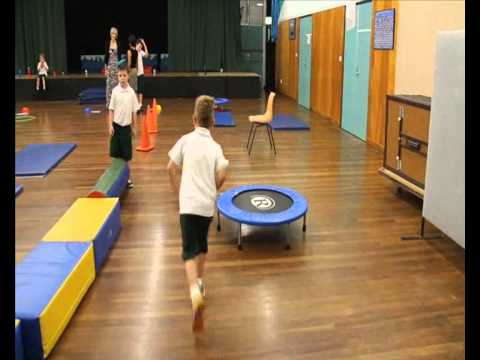 .
.